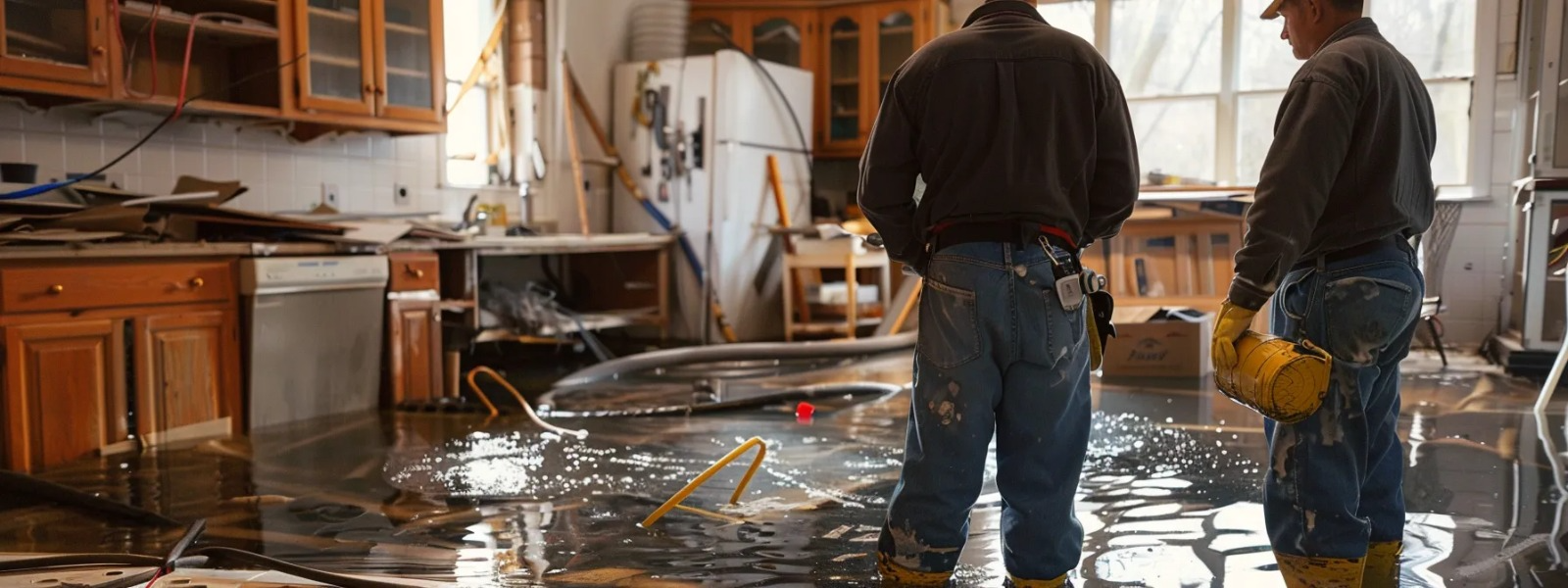
Water damage in the home can be an overwhelming challenge for any homeowner. Whether it’s from a burst pipe or an unexpected storm, the aftermath requires immediate attention to prevent further issues such as mold growth or structural damage. Many homeowners find themselves at a crossroads, deciding between tackling the issue themselves with DIY methods or calling in a professional Water Damage Restoration Service. This article will explore the risks and challenges of DIY restoration, what to expect from professional services, and how to determine the safest choice for your home and family.
DIY Water Damage Restoration: Risks and Challenges
Undertaking DIY water damage restoration can initially seem cost-effective, but it comes with significant risks. One of the primary challenges is accurately assessing the extent of the damage, which often requires specialized knowledge of building structures. Without a proper Indoor Air Quality Assessment, for instance, hidden mold and mildew growth can lead to long-term health problems. Moreover, without tools like moisture meters, homeowners may miss damp areas, leading to further deterioration. Additionally, handling potentially hazardous materials could be avoided by utilizing a Water Damage Restoration Service. If your home contains materials like asbestos, attempting DIY restoration without an Asbestos Abatement Technician can pose severe health risks. Additionally, homes with older plumbing might face lead contamination, necessitating a Lead-Based Paint Inspection before any restoration efforts. These aspects highlight the complexity and hidden dangers of a DIY approach.
Finally, the lack of professional-grade equipment can hinder effective restoration. Household fans and dehumidifiers may not suffice for complete drying, potentially resulting in recurring issues. This underscores the necessity of understanding both the scale and specifics of the water damage before proceeding with a DIY solution.
Professional Water Damage Restoration Services: What to Expect
Opting for a professional service ensures a comprehensive approach to water damage restoration. A trained team will conduct a thorough Indoor Air Quality Assessment to identify any mold or bacteria presence, ensuring a healthier environment post-restoration. Moreover, these professionals are equipped to conduct an Energy Efficiency Audit to assess and recommend improvements that might prevent future water-related incidents.
Professional services also include using advanced technology and equipment for efficient drying and repair. For instance, a Smart Home Integration Specialist might suggest incorporating Surface Mount Technology (SMT) for Home Automation, which can help monitor and manage moisture levels to prevent future incidents. This innovative approach not only addresses current damage but also enhances future home resilience.
The expertise of professionals extends to handling hazardous materials safely. An Asbestos Abatement Technician will ensure that any asbestos present is managed in compliance with health regulations. This level of care and precision is vital for maintaining a safe living environment.
Comparative Analysis: DIY vs. Professional Restoration Safety
When comparing DIY methods to professional services, safety is a paramount concern. DIY efforts often lack the thoroughness of a professional Water Damage Restoration Service, which offers both the equipment and expertise necessary for complete restoration. For example, professionals can employ Eco-Friendly Insulation to replace water-damaged materials, reducing environmental impact while improving home safety.
Professional services also bring peace of mind, as they typically offer guarantees or warranties on their work. In contrast, DIY restoration might lead to recurring problems, resulting in higher long-term costs. Furthermore, professionals are experienced in working with insurance companies, ensuring that claims are more likely to be accepted and processed efficiently.
The decision heavily relies on the extent of damage and the homeowner’s comfort with risk. While minor leaks may be manageable, significant water damage often warrants professional intervention to ensure safety and effectiveness.
Making the Right Choice for Water Damage Restoration
Choosing between DIY and professional restoration should consider factors such as the scale of damage, potential hazards, and personal expertise. Consulting with a Universal Design Consultant can help identify any long-term modifications needed to prevent future incidents. Additionally, if your home is part of a Homeowners Association (HOA), you may need to ensure your restoration efforts comply with their guidelines, further emphasizing the benefits of professional services.
Ultimately, the decision should prioritize safety and the long-term well-being of your home and family. Professional services offer a comprehensive approach with minimal risk, whereas DIY methods require careful consideration of potential challenges and hazards.
Conclusion
Deciding on the safest approach to water damage restoration involves weighing the risks and benefits of DIY efforts against professional services. Professional restoration offers expertise, safety, and peace of mind, making it a preferred choice for significant damage. By considering both immediate needs and future prevention, homeowners can protect their investment and ensure a healthy living environment.